
Low Voltage Regulation
It’s all about the right voltage
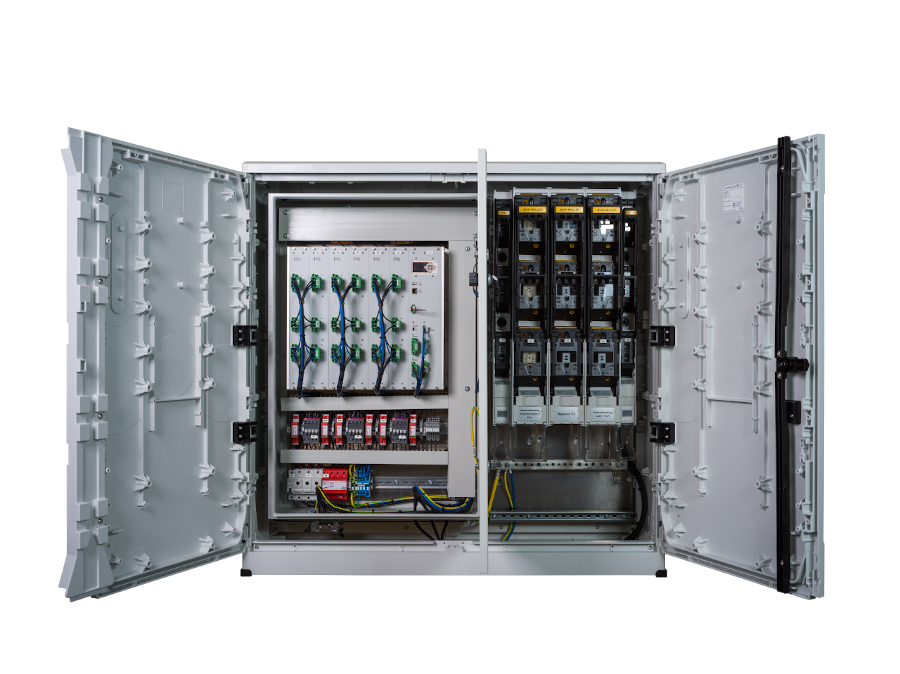




LVRSys® – Network compatible and easy to install
Products
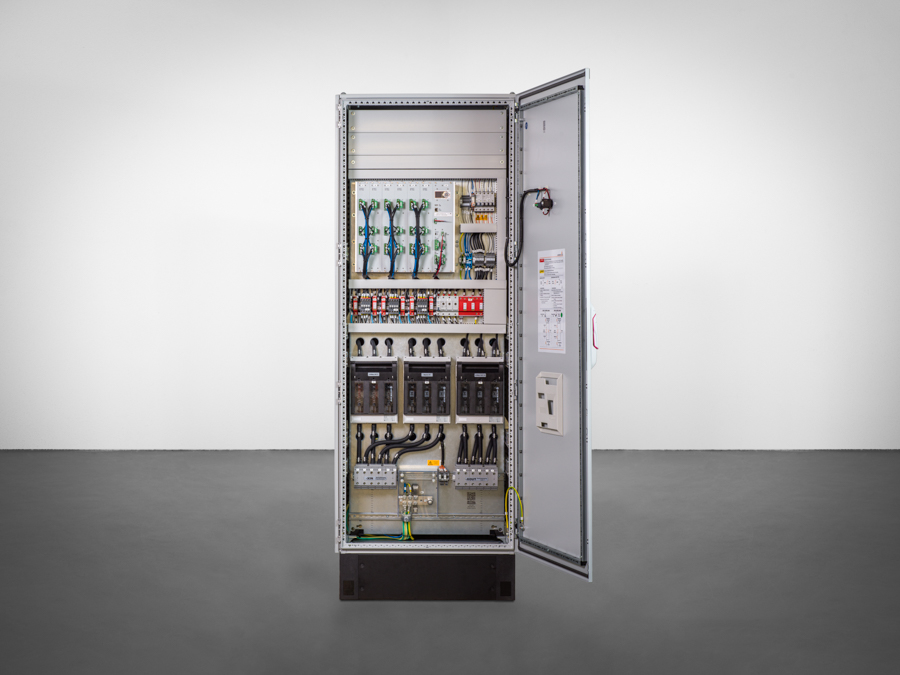

Low Voltage Regulation
A building block of the future
The low-voltage regulation system LVRSys® is a cost-effective alternative to a network extension. It pays to integrate its components in any low-voltage network where short-circuit capacity is sufficient but where there are voltage stability problems.
The stability problems could be local (individual lines) or affect the entire network. The LVRSys® can be used flexibly as a line regulator or controller directly at the local transformer station.
News from the Productgroup
LVRSys® – News

Special Publication
Experimental Validation of a Low-Voltage Regulator Model – Case Study of a Maltese Low-Voltage Grid
27. May 2024
This application report addresses the integration of the »LVRSys® Low-Voltage Regulation System« into the low-voltage grid in Malta.[…]
Read more
General Knowledge
Ready for the smart grid of the future?
6. March 2024
All information about smart grids/intelligent power grids, the technology behind them, advantages, disadvantages, challenges and current distribution.[…]
Read more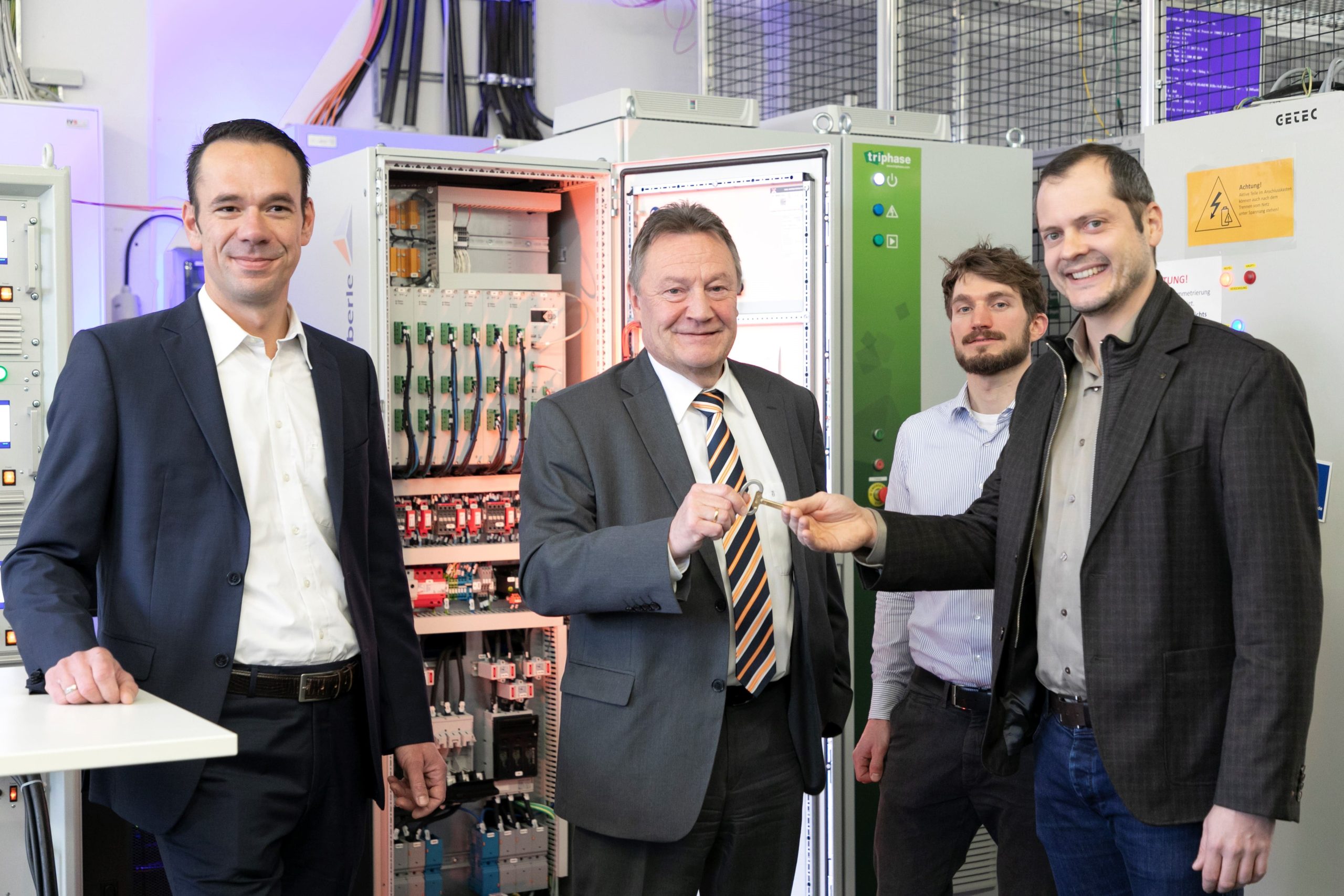
Blogpost
A. Eberle Supports Research & Teaching at FAU
23. December 2022
A. Eberle donates LVRSys® low-voltage regulation system to Energy Campus Nuremberg at Friedrich-Alexander University Erlangen-Nürnberg.[…]
Read more
Info letter
Info Letter No. 4: Summation of Alternating Currents
7. September 2021
For the parallel connection of power sources, the principle of superposition applies, when all resources…[…]
Read more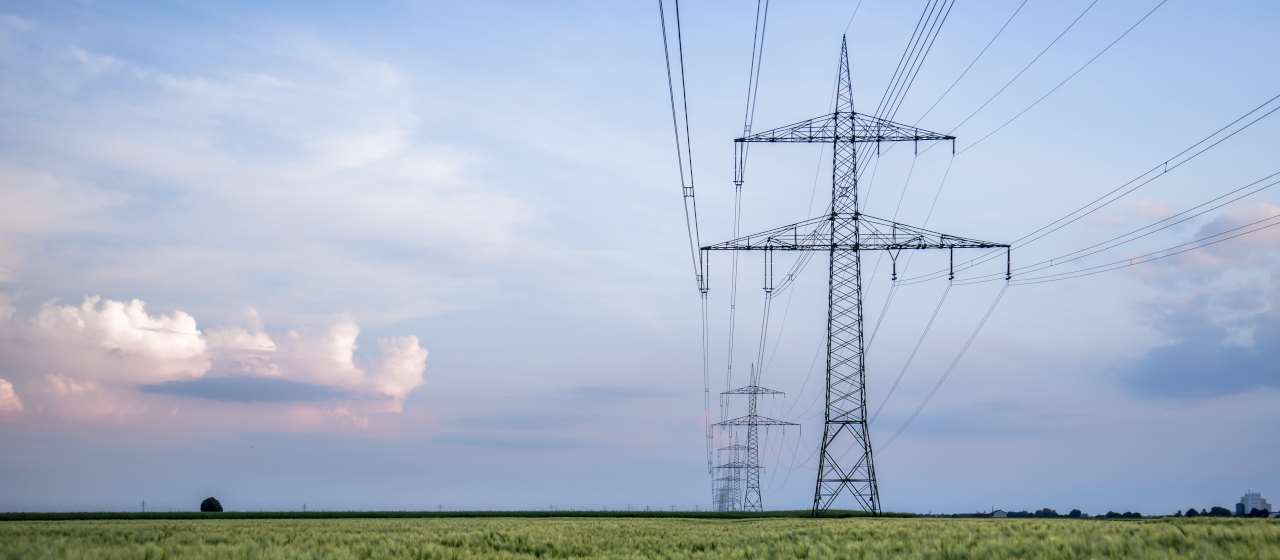
Special Publication
Performance increase in the distribution grid
18. August 2021
Due to economic unreasonableness, grid operators are rejecting applications to connect PV systems in the low-voltage grid more often. The responsible grid planners are guided by the connection guideline[…]
Read more
Special Publication
Economic Analysis Low Voltage Regulation
2. June 2021
Smart Grids and the resulting changes in the distribution grids face many distribution grid operators with different challenges. These include…[…]
Read more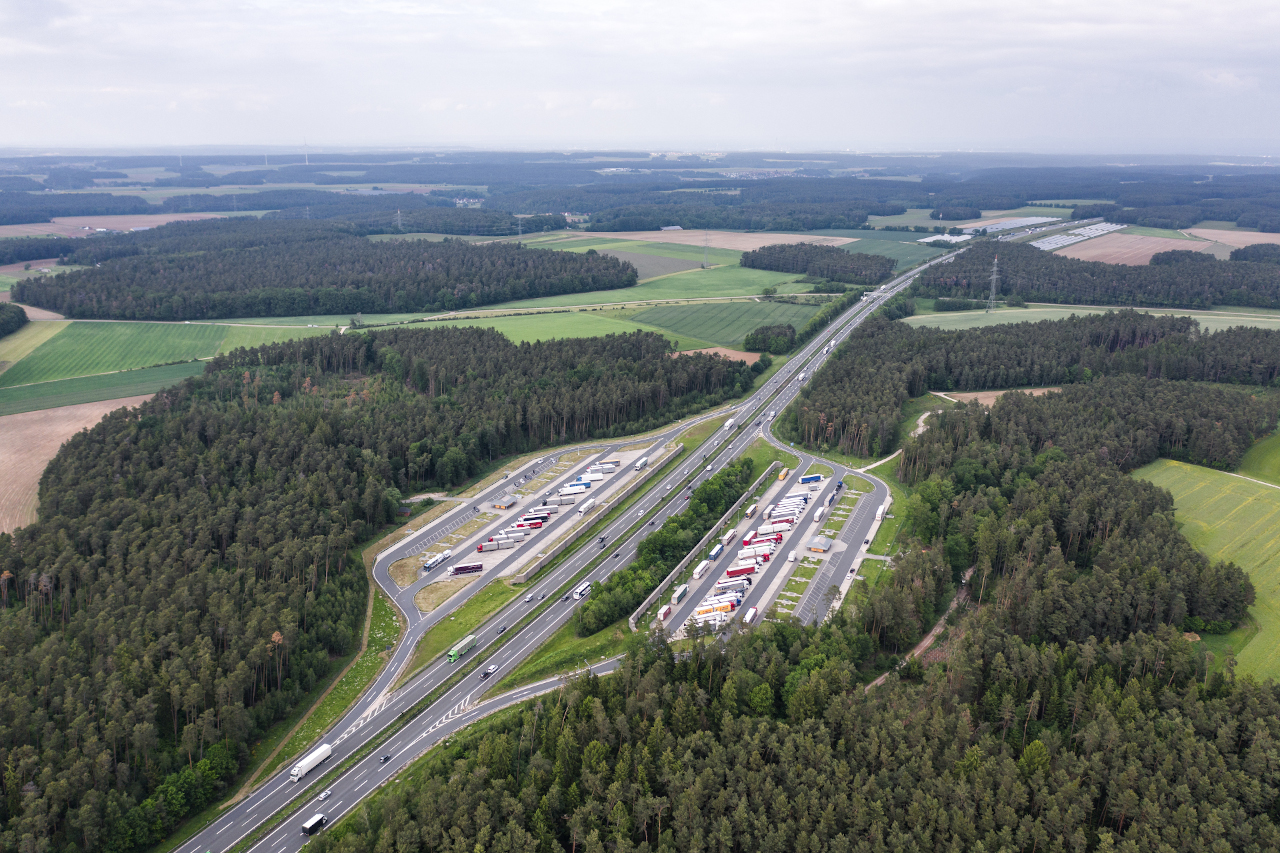
Special Publication
Pilot Project on a Motorway Parking Lot
29. March 2021
In 2018, the “Auergründel” PWC (car park with WC) on the A6 suffered repeat failures of its fresh and waste water pumps…[…]
Read more