
Power Quality Analyzers with Fault Recorder Function
Fixed installed solutions




Products
The fixed installed Power Quality solutions
Power Quality Analysis Software
For our fixed installed solutions
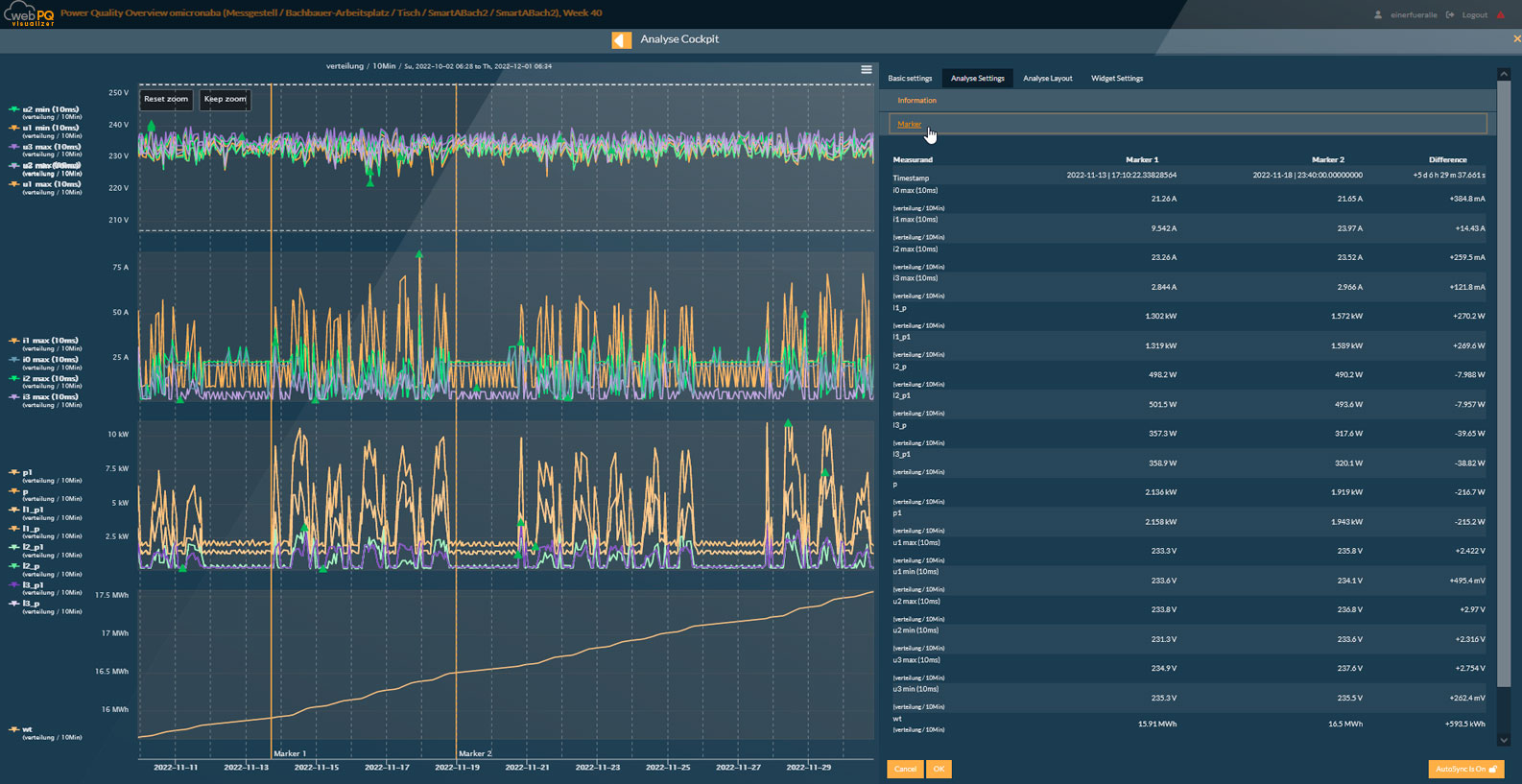
WebPQ® Visualizer
The intelligent add-on to WinPQ
The fully responsive & web-based user interface as an installable app for the evaluation of your Power Quality data in your local IT environment!

WinPQ
Sophisticated power quality analysis software
The WinPQ system solution for all built-in A. Eberle fault recorders, power quality monitoring devices and mobile network analyzers. Monitor power quality permanently – from the high-voltage grid to the end user in a system. Intuitive operation despite the vast amount of data handled.
NEW: Power Quality Services by A. Eberle

Power Quality
Services
Expert knowledge that moves you forward
We offer you power quality audits with troubleshooting in accordance with EN 50160 and IEC 61000 and support you with our expert know-how. As the market leader in the field of mobile power quality devices, we can draw on a wide range of network analyzers with the appropriate accessories for our services.
Keep an eye on supply quality and network faults
Fully automatic at every voltage level
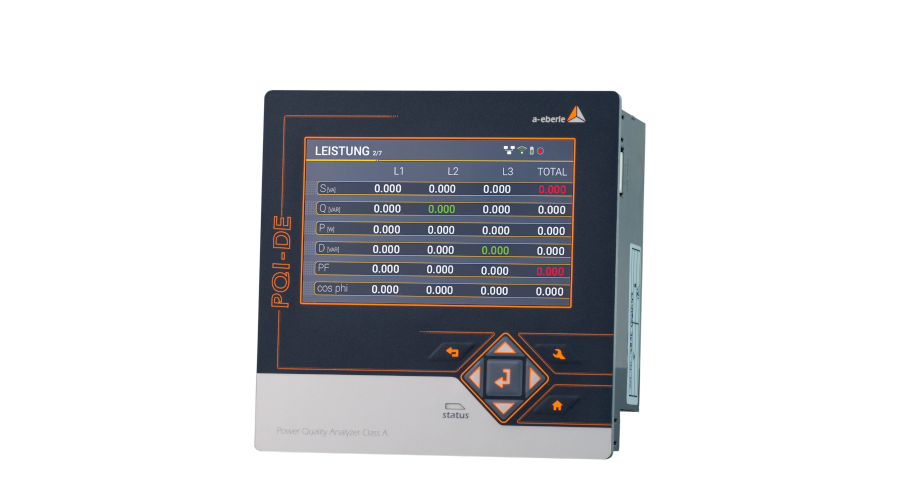
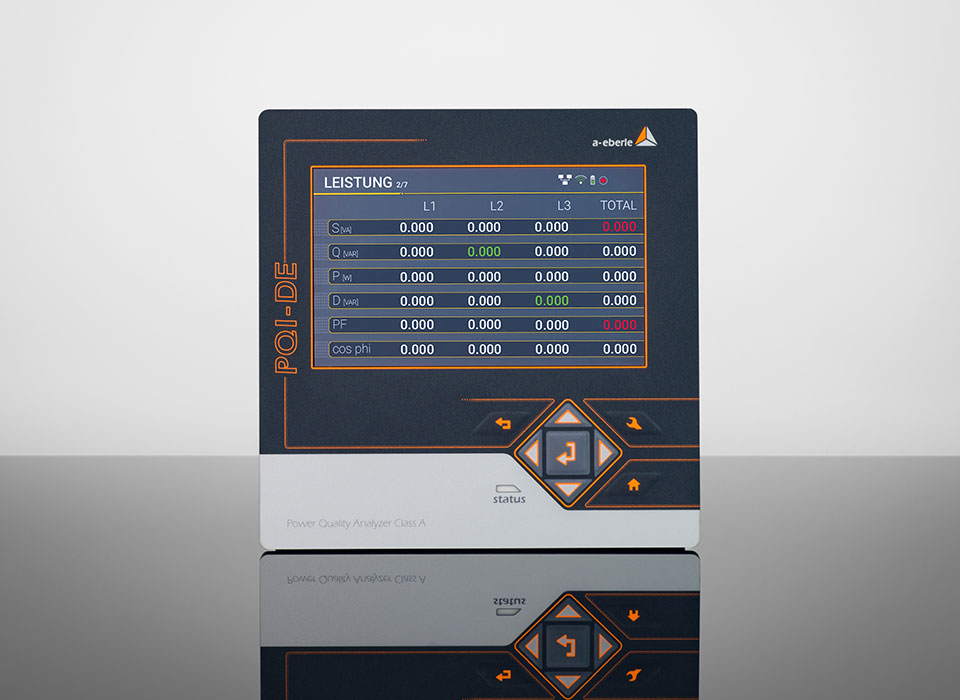
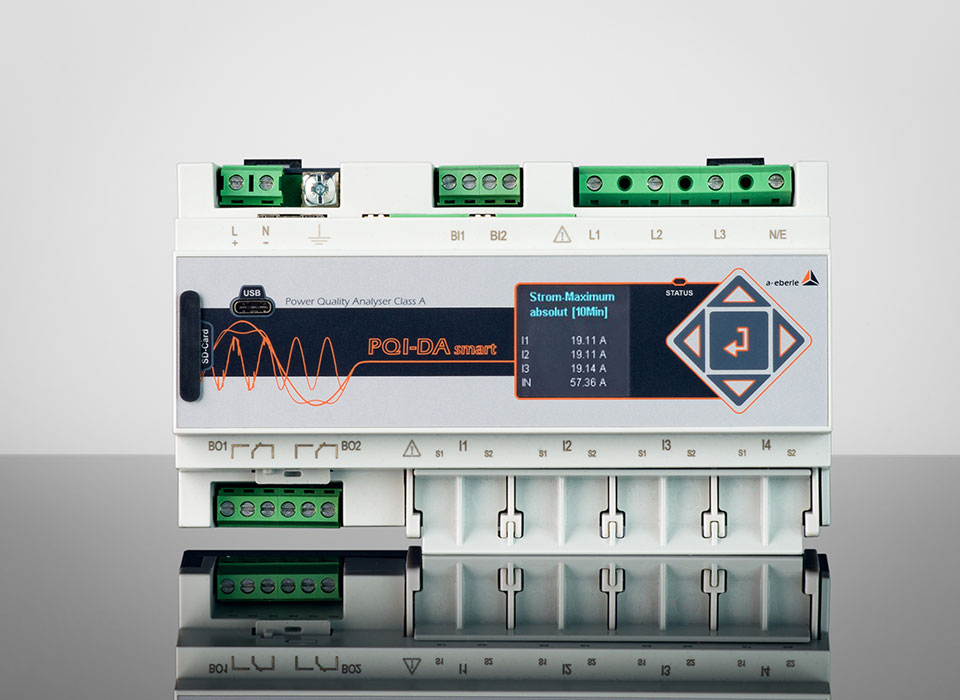
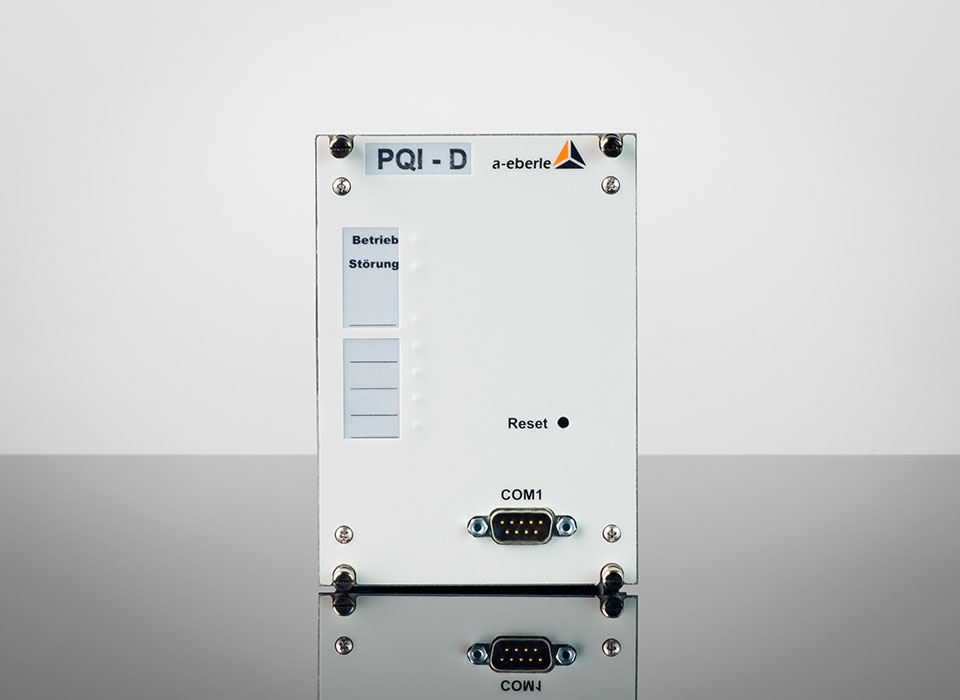
The built-in fault recorders and network power quality analyzers PQI-DA smart, PQI-DE and PQI-D are the central components in systems handling all measurement tasks in low, medium and high-voltage networks. The analyzers can function as fault recorders with a scanning rate of up to 41 kHz, as power quality measurement devices to EN 50160 / IEC 61000-2-2/-4 or as power quality analyzers.
Above all, their components are suitable for monitoring special reference quality levels or characteristics agreed between an energy supplier and a customer, registering them and then presenting the results for analysis or storage. Modern power quality devices work to the IEC 61000-4-30 standard, 3rd edition. This standard defines measurement processes to create a comparable basis for users.
News from the Productgroup
PQSys – News

General Knowledge
Voltage Monitoring
1. July 2024
Find out everything you need to know about voltage monitoring in this article. What is voltage monitoring, why is voltage monitoring essential for both energy supply companies and industrial companies[…]
Read more
General Knowledge
What Is Load Profile Measurement/Power Measurement?
25. June 2024
This article explains the definition and difference between load profile measurement (RLM), power measurement and measuring the standard load profile. These are important methods for accurately recording[…]
Read more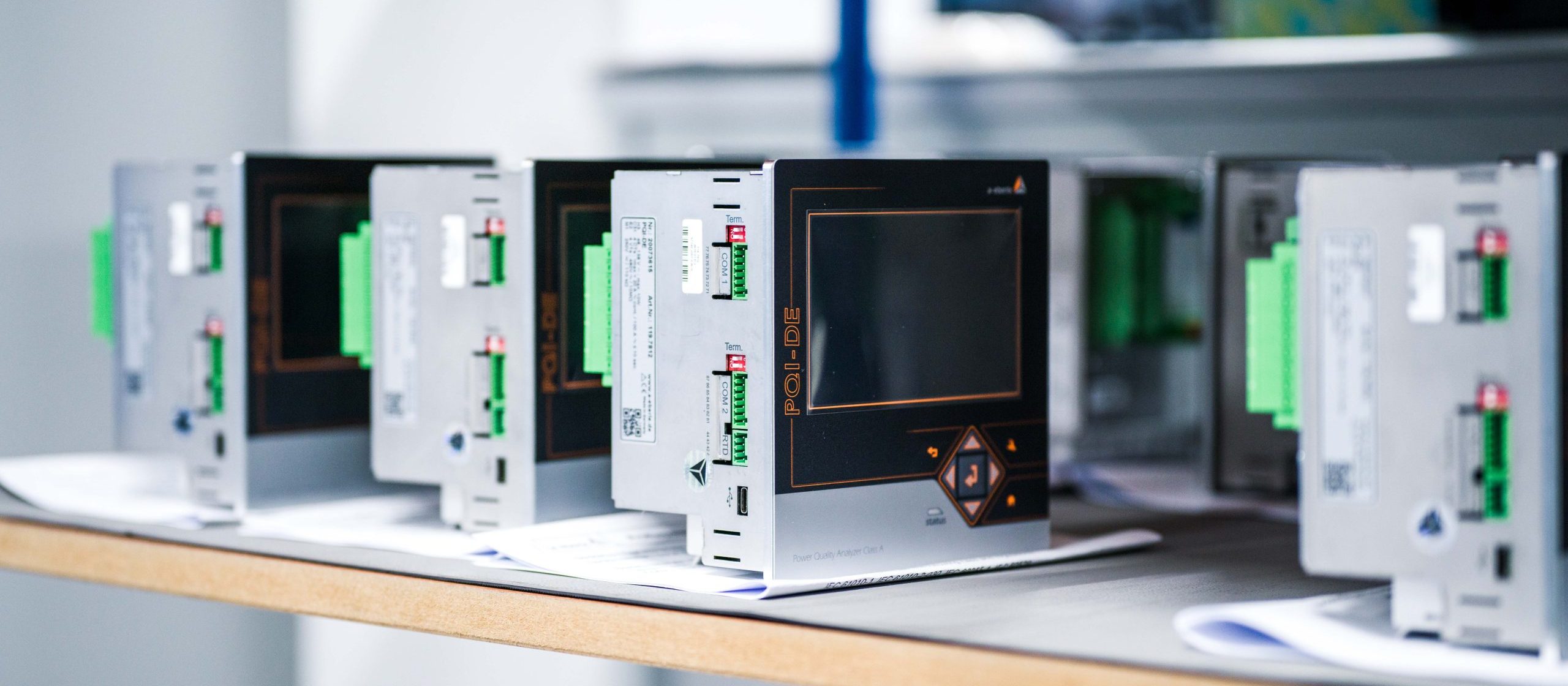
General Knowledge
Residual current
6. March 2024
In this article, you will learn about residual current measurement & residual current monitoring and why it is important to measure residual current.[…]
Read more
General Knowledge
Power Quality
6. March 2024
Good power quality is characterized by the fact that the mains voltage actually arriving at the consumer matches the mains voltage promised by the utility company.[…]
Read more
General Knowledge
Reactive power – definition, calculation and measurement
6. March 2024
The key role of reactive power in electrical engineering: definition, calculation, measurement and the differences to active power and apparent power. Find out how reactive power influences the efficiency[…]
Read more
General Knowledge
What is apparent power and how is it calculated?
6. March 2024
This article addresses the question of what apparent power is and how to calculate it. An understanding of apparent power is crucial for the correct dimensioning of inverters and therefore for the optimum[…]
Read more
General Knowledge
Ready for the smart grid of the future?
6. March 2024
All information about smart grids/intelligent power grids, the technology behind them, advantages, disadvantages, challenges and current distribution.[…]
Read more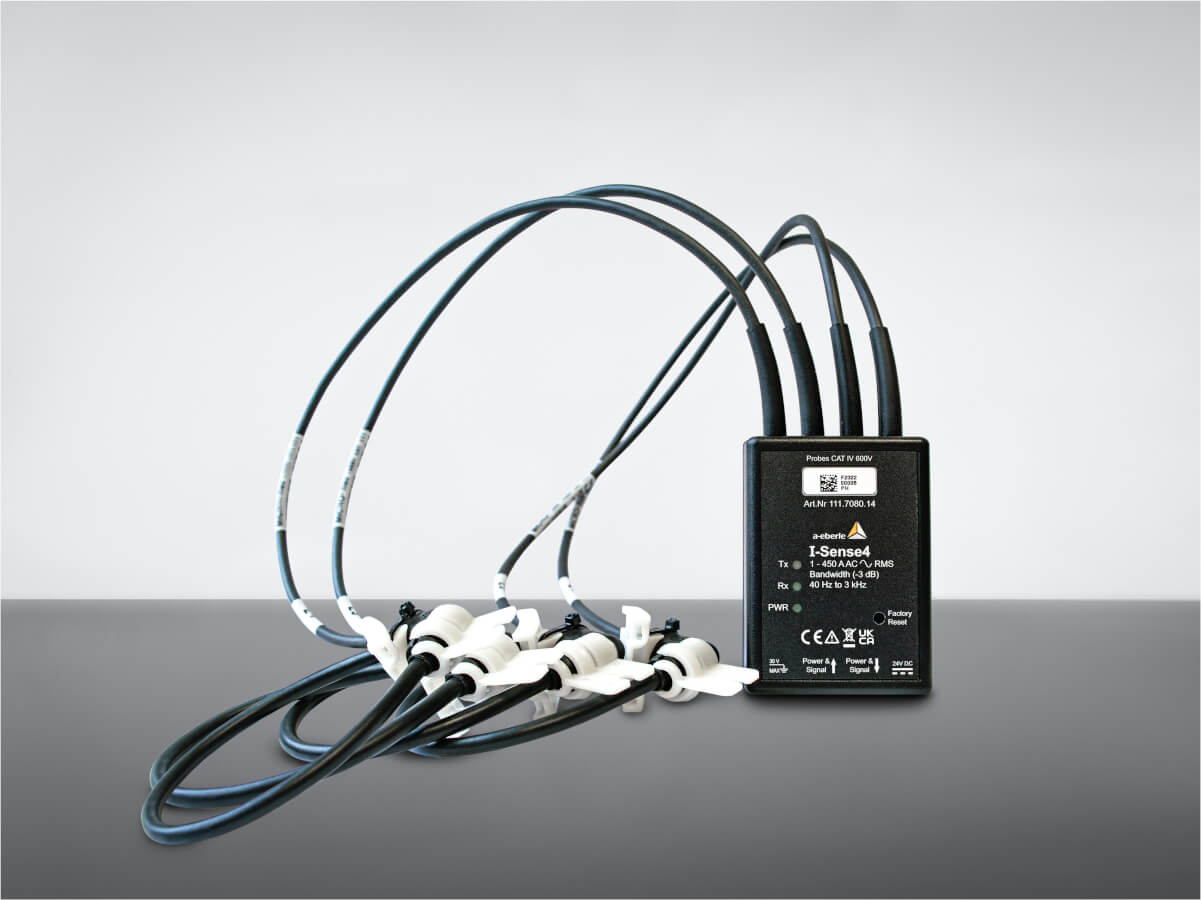
Product innovation
Product announcement: »I-Sense« for feeder current measurement in future-proof secondary substations available as of 15/09/2023
16. October 2023
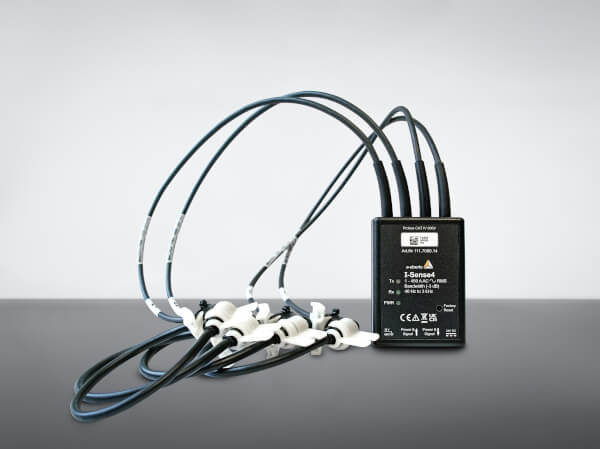
»I-Sense« Feeder Current Measurement for up to 16 feeders. Available to order now.[…]
Read more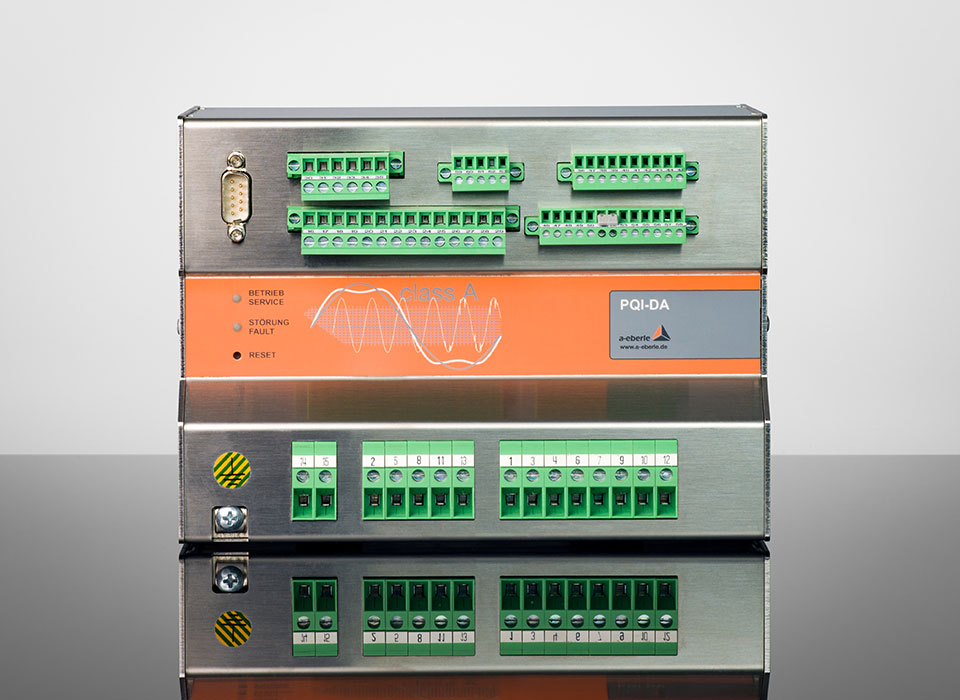
Product innovation
Product discontinuation: Power Quality Analyser PQI-DA, as of 09.08.2023
9. August 2023
Power Quality Analyser PQI-DA is currently scheduled for product discontinuation.[…]
Read more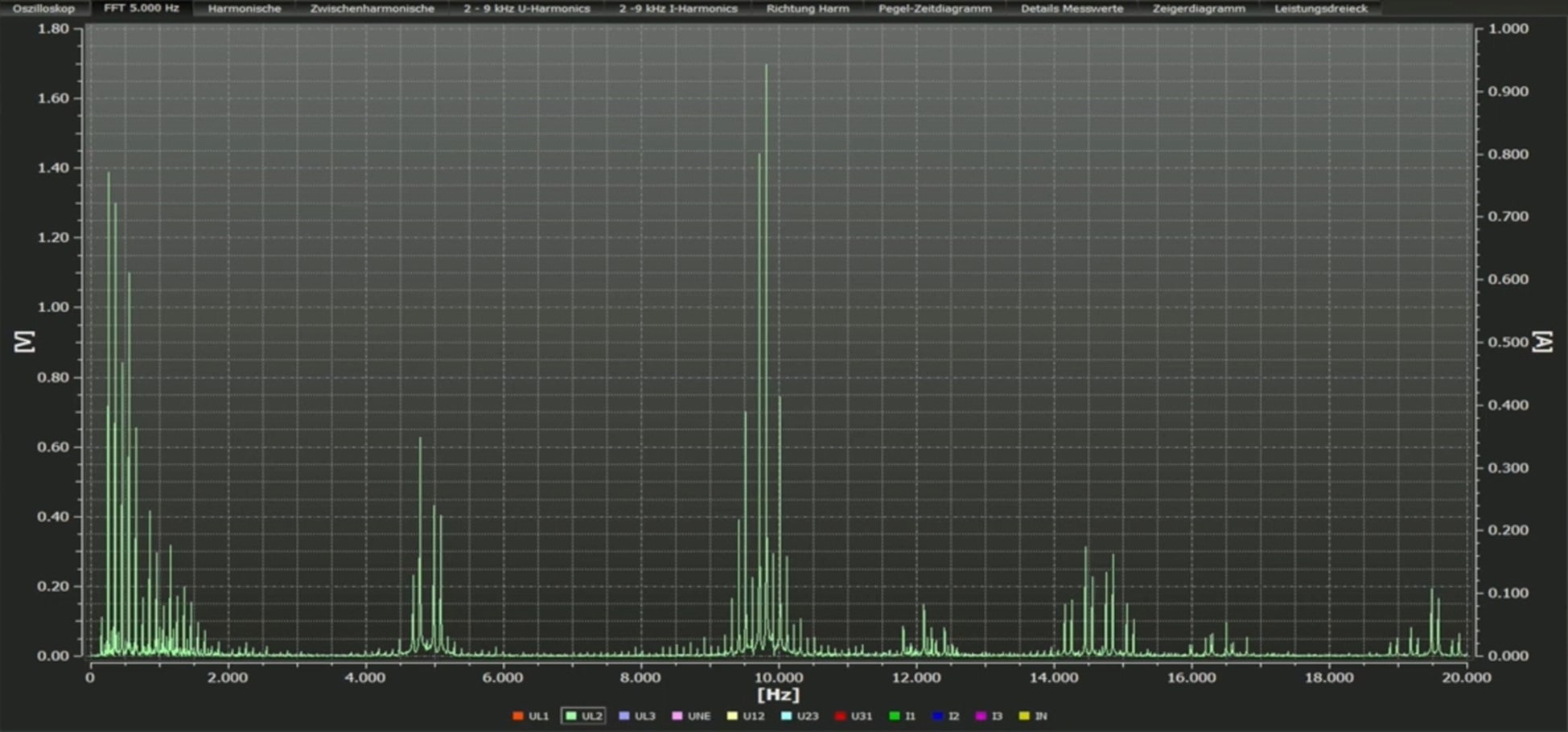
General Knowledge
Power Quality Analysis: Tips and Tricks II
28. April 2023
Useful tips & tricks for handling Power Quality measuring devices and typical user errors – now in our two-part article! This article provides further insights and practical tips and application examples[…]
Read more
General Knowledge
Power Quality Analysis: Tips and Tricks I
27. April 2023
Useful tips & tricks for handling Power Quality measuring devices and typical user errors – now in our two-part article! This article explains tips and tricks for performing power quality measurements.[…]
Read more
Special Publication
Innovative & economical “system solutions” in the age of energy grid transformation
2. February 2023
The transformation of the energy industry from a centralized structure to a decentralized energy supply is creating complex energy networks with volatile load flows and changing load flow directions. Grid[…]
Read more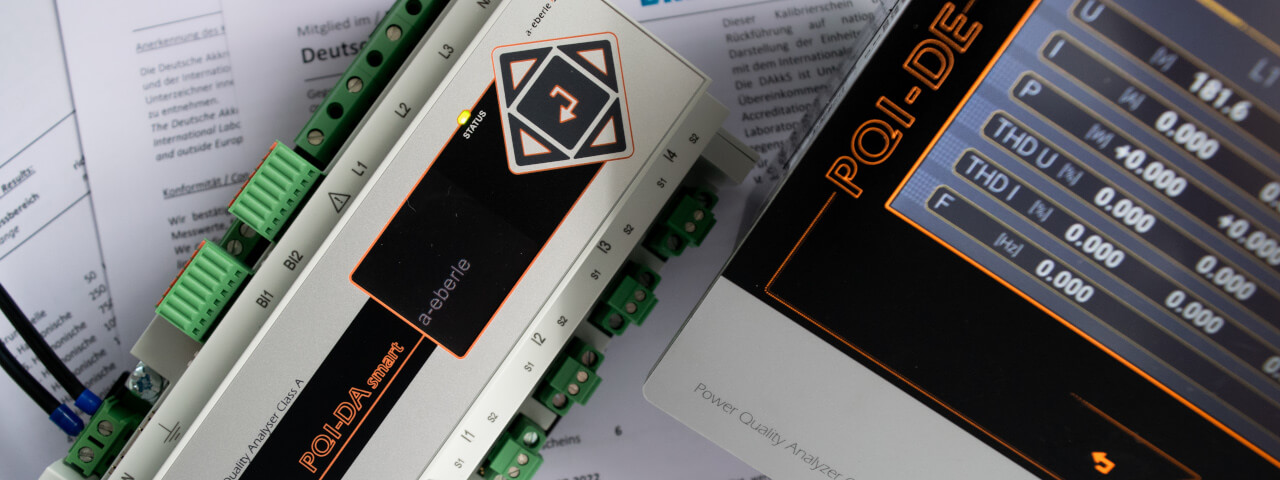
Blogpost
DAKKS Calibration Report: PQI-DE & PQI-DA Smart With Sensational Results
11. August 2022
In the DAKKS calibration according to VDE-AR 4110 Annex F, our power quality analyzers PQI-DE & PQI-DA smart have achieved sensational accuracy values.[…]
Read more
Special Publication
Measurement of voltage distortions in industrial grids with the PQ-Box 50
14. April 2022
It is important to find disturbances in the system in a fast and reliable way. This report shows an example for trouble shooting with the Power Quality analyzer PQ-Box 50. […]
Read more
Info letter
Information Letter No. 24: Integration guide for the metering of a power plant according to the Requirements for Generators (2016/631) RfG
18. January 2022
Integration guide for the measurement of a power plant (EZA) according to VDE-AR 4110 and VDE-AR 4120.[…]
Read more
Info letter
Info Letter No. 23: Direction of harmonics Sources of harmonics in the power system
7. September 2021
Le sens du flux de puissance des harmoniques est déterminé par le signe de la puissance activ[…]
Read more
Info letter
Info Letter No. 22: Definition of power measurements according to the standards DIN 40110-2 and IEEE 1459
7. September 2021
There is a wide range of electronic measuring devices for the digital measurement of power…[…]
Read more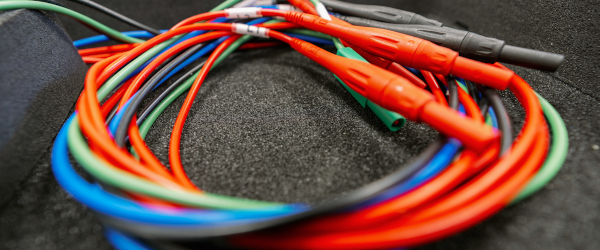
Info letter
Info Letter No. 20: Capacitance of conductors
7. September 2021
In the conductors of electrical power supplies, a distinction is made between the operating capacitance… […]
Read more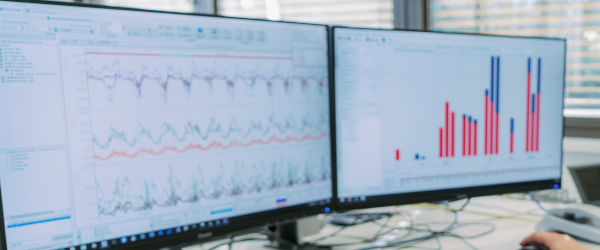
Info letter
Info Letter No. 19: The evaluation of power quality and detection of interference in medium voltage network
7. September 2021
For various reasons, interest in the continuous monitoring of network quality in medium-voltage…[…]
Read more
Info letter
Info Letter No. 8: Apparent power and reactive power in three-phase networks
7. September 2021
The range of electromechanical and electronic measuring devices in analog – and digital technology…[…]
Read more