The modular current injection system can be retrofitted at any time and is designed for low or highly fluctuating displacement voltages. It supports reliable grid operation, prevents unnecessary wear of the arc suppression coil and additionally provides a pulsing cabinet function for fault location by means of pulse location during an earth fault.
Typical application:
- Additional integrated pulsing cabinet at a central point within the grid area
- Compensated grids with central and/or decentralised arc suppression coils
- Low or highly fluctuating displacement voltages, particularly in highly symmetrical grids
- Can be retrofitted at any time to an existing REG-DP or REG-DPA
This device is suitable if:
- In addition to current injection under healthy grid conditions, pulsing for pulse location during an earth fault is required
- Conventional control by “moving the coil” no longer delivers reliable results
- The displacement voltage is below 0.5% and may be strongly influenced by fluctuating loads or external grids
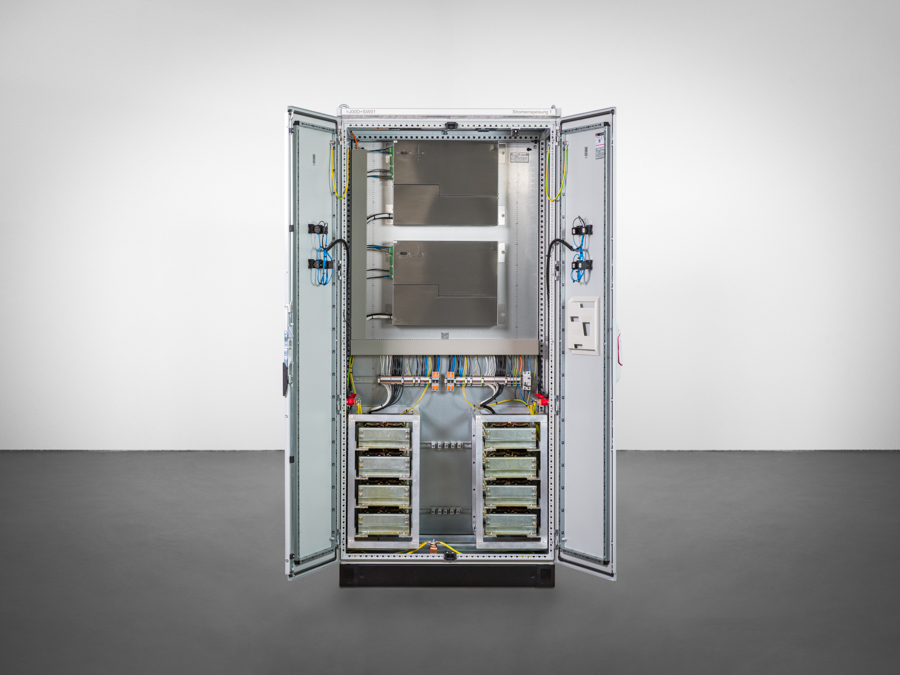
High-Power Current Injection for Current Injection and Pulse Signals
HPCI
The high-power current injection (HPCI) is a combination device consisting of classic current injection and the functionality of a pulse cabinet. It is designed for two applications: reliable adjustment of the arc suppression coil when the displacement voltage is low or highly variable during fault-free operation, and artificial injection of a pulse signal for earth fault location when a single-phase earth fault has occurred.
Further questions or want to start an enquiry? Please click “Product Enquiry”.


A. Eberle GmbH & Co. KG
Measure. Regulate. Across All Grids.
A. Eberle GmbH & Co. KG, founded in 1980 and headquartered in Nuremberg, Germany, operates in the field of measurement and regulation technology for the energy sector as well as for medium-sized and large industrial companies. Our products and services ensure and enhance the availability of energy supply across all voltage levels and support the integration of renewable energy sources into power grids.


Cross-Product Downloads
Cross-Product Downloads
Special Publications

WinEDC
Product Overview A. Eberle
A. Eberle Seminars in Nuremberg
HPCI
HPCI
Technical Data Sheets
Instruction Manual REG-DP(A)
The Right Shape for Every Requirement
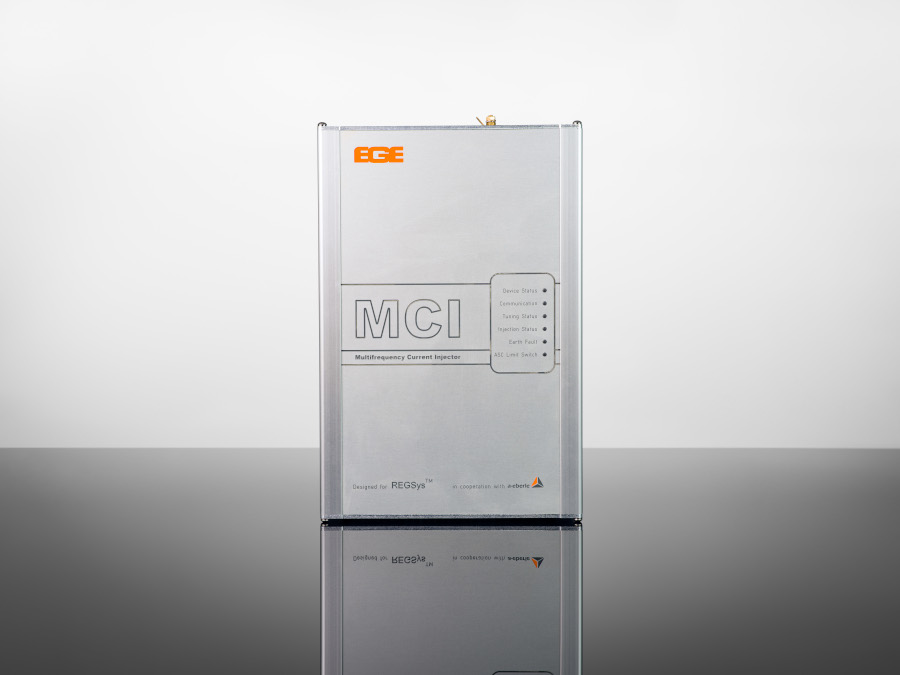
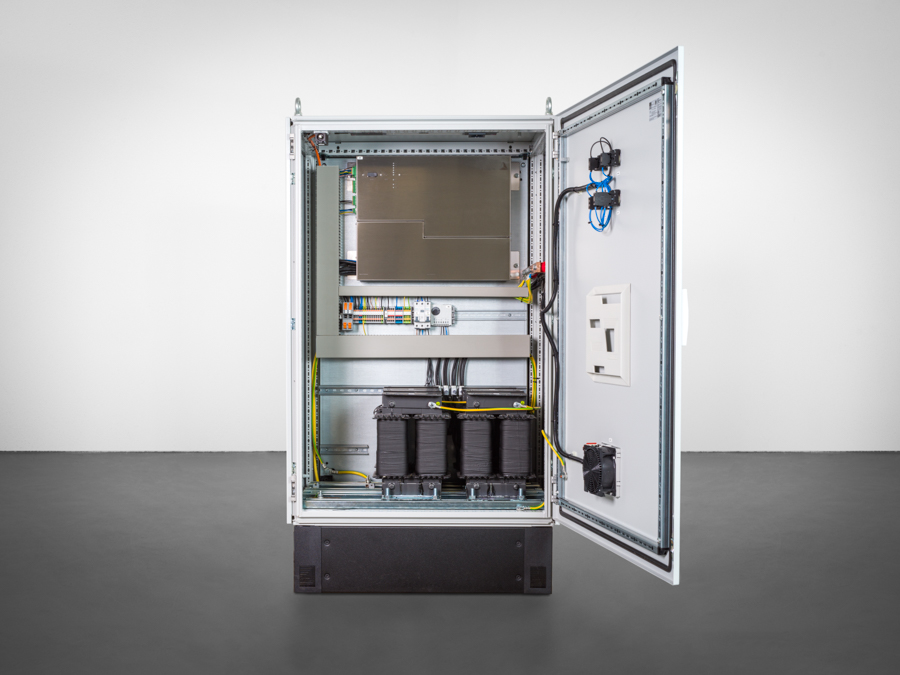
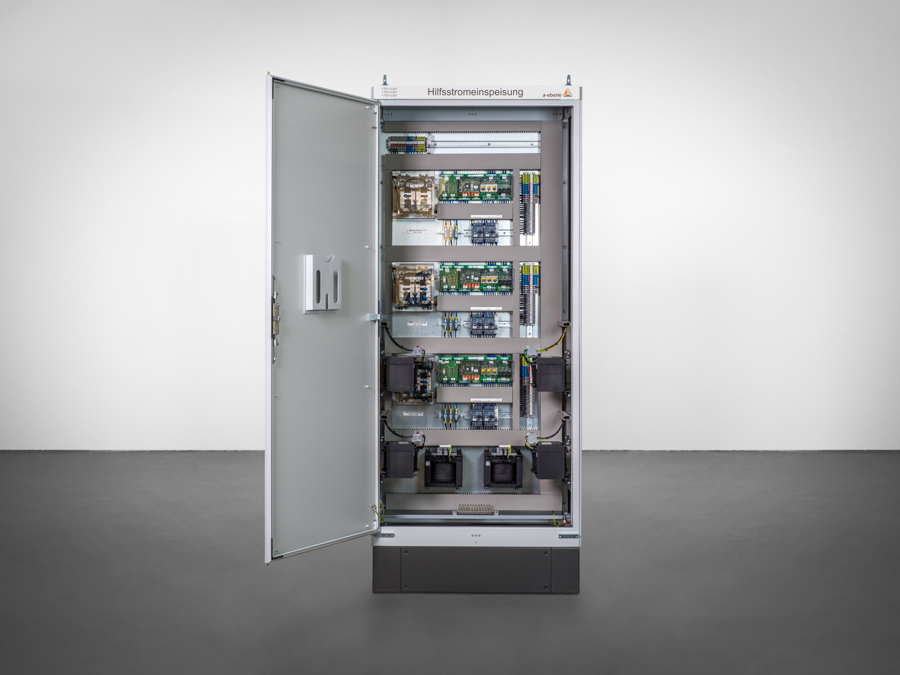
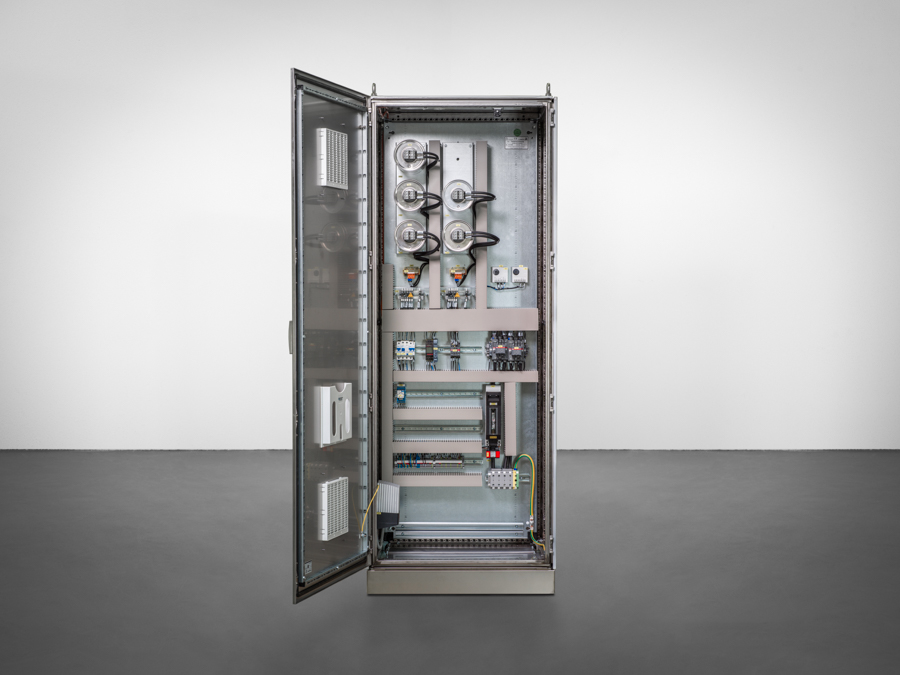
The modularly designed HPCI in its stainless-steel housing can be deployed in diverse situations and installed in various different cabinets and housings. We offer the HPCI in the following shapes:
- Individual system kit
- Individual system in control cabinet for interior installation
- Individual system in control cabinet for exterior installation
- Double system in control cabinet for interior installation
- HPCI system with up to 170 A secondary pulse stroke (pulse stroke)
- Special design of inductors with pulse option >30min (up to 2h) available
The Combination Device Consisting of Pulse Cabinet and Current Injection (CI)
The HPCI combines current injection (CI) for power input in 20 kV networks with average damping at up to 1000 A capacitive earth current and a pulse cabinet with a secondary pulse stroke up to 170 A inductive.
Current injection supports reliable regulation when the zero-sequence voltage is very low or highly influenced during healthy network operation. The pulse system supports earth fault location through pulse location.

Current Injection Incl. Automatic Power Reduction and Phase Selection
In very small networks, current injection can have an undesirably strong influence on the zero-sequence voltage. In the worst case, the earth fault threshold may be crossed. To prevent this, the HPCI monitors these influences and reduces them automatically when needed.
In addition, the current injection automatically selects from two different feed phases and is thus able, even where phase angle relationships are unfavourable, to increase the zero-sequence voltage when necessary.
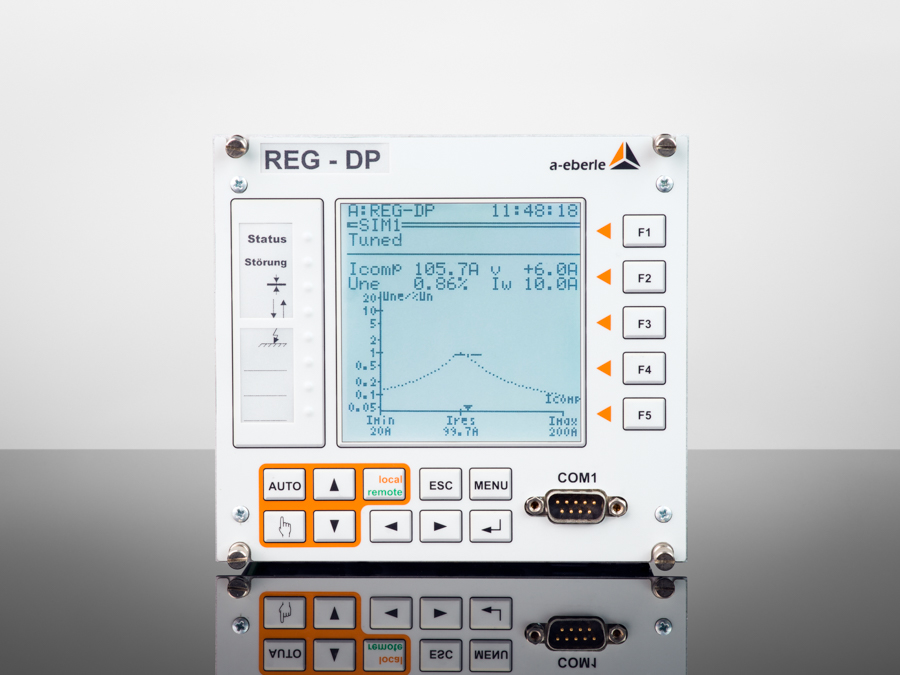
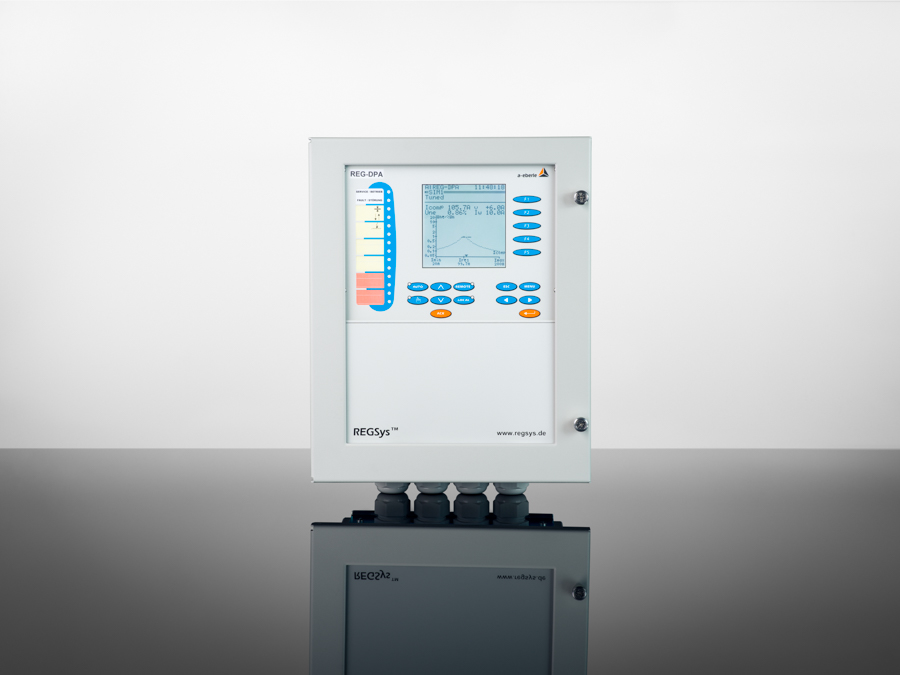
Parametrisation Control and Connection via REG-DP(A)
By connecting the HPCI unit to the REG-DP(A) regulator, the HPCI can be parameterised, calibrated and controlled. Connection via all standard communications protocols is also possible. The REG-DP(A) regulator can be connected via REG-P, REG-PE or REG-PED SV control units. The following protocols are available (further protocols on request):
- IEC 60870 -5 -101 / 103 / 104
- IEC 61850
- DNP 3.0 RTU / DNP 3.0 TCP
- MODBUS RTU / MODBUS TCP
- SPABUS
Do You Have Questions About
HPCI Power Input and Feed-In?
Our Specialists Will Be Happy to Help You!
Contact Us

AE Toolbox
The perfect supplement to arc suppression devices: freely adjustable project planning and parameterisation software
The AEToolbox works on a project basis and impresses with its range of functions and the versatility that the program offers.
FAQ - Frequently Asked Questions
What is the HPCI power input used for?
The HPCI combines current injection and a pulse cabinet. It supports reliable adjustment of the arc suppression coil when the zero-sequence voltage is low or highly variable and can feed a pulse signal for earth fault location when a single-phase fault has occurred.
How does HPCI support earth fault location?
When a single-phase fault has occurred, the HPCI can artificially feed a pulse signal. The pulse system supports the location of earth faults through pulse location.
Where can the HPCI be used?
The page lists substations, transmission and distribution grids, industrial plants and production facilities, and hydroelectric power plants as application areas for the HPCI.
How is the HPCI parameterised and controlled?
By connecting the HPCI unit to the REG-DP(A) regulator, the HPCI can be parameterised, calibrated and controlled. Connection via standard communication protocols is also possible.
Further Products for the Earth Fault Compensation
Discover Our Product Range
News From the Product Group
EORSys - News

Blogpost
Year 2038 Problem: Industrial Systems
22. October 2026
Year 2038: Why early assessment matters The Year 2038 problem can affect industrial systems that store Unix time as a […][...]
Read more
Blogpost
GRUNDIG AKADEMIE visits A. Eberle
7. August 2026
In 2026, the GRUNDIG AKADEMIE Nuremberg visited A. Eberle with a group of trainee technicians. During the visit, the participants gained an insight into our company, technical fields of work and potential[...]
Read more
Webinar
»EORSys« Webinar: Integration of Future-Proof Secondary Substations Into the Distribution Grid - Part 2 | A. Eberle
27. July 2026
Webinar recording from 2026-07-15: »EORSys« -Integration of Future-Proof Secondary Substations Into the Distribution Grid with EOR-1DS & EOR-3DS - Part 2[...]
Read more
Blogpost
A. Eberle named one of the TOP 100 Innovators for 2026
22. July 2026
As part of the 2026 TOP 100 Awards, we had the honour of receiving a special accolade in Heidelberg last week – presented in person by Christian Wulff, former Federal President and mentor of the TOP[...]
Read more
General Knowledge
Digital Substation
17. June 2026
A digital secondary substation combines measurement, fault location and secure data analysis to improve transparency across medium- and low-voltage distribution grids.[...]
Read more
Blogpost
International Partner Week 2026 - Exchange, knowledge transfer and collaboration in Nuremberg
1. June 2026
We were delighted to welcome our international partners to Partner Week 2026. The chance to chat in person, seeing familiar faces and making new acquaintances made the week a special one for us.[...]
Read more
Blogpost
A. Eberle and Bregal Unternehmerkapital enter into a growth partnership
14. April 2026
A. Eberle and Bregal enter into a growth partnership. The partnership with BU is intended to accelerate A. Eberle’s international expansion, innovation and technological advancement.[...]
Read more
Webinar
»Cyber Security« Webinar: A Challenge for European Energy Companies
3. December 2025
Webinar recording from 2025-11-26: »Cyber Security« - A Challenge for European Energy Companies[...]
Read more
Blogpost
A. Eberle at the Schwabach City Run 2025
24. November 2025
A. Eberle was represented by 37 participants at the 2025 Schwabach City Run, setting a new internal record for participation. Particularly noteworthy is Benjamin Rentsch's first place in the M 35 40 age[...]
Read more
Webinar
»EORSys« Webinar: Integration of Future-Proof Secondary Substations Into the Distribution Grid - Part 1 | A. Eberle
15. October 2025
Webinar recording from 2025-10-15: »EORSys« -Integration of Future-Proof Secondary Substations Into the Distribution Grid with EOR-1DS & EOR-3DS - Part 1[...]
Read more
General Knowledge
Power in Multiphase Systems
7. August 2025
This technical report highlights the special features of power transmission in three-phase systems and offers valuable insights into the optimisation and analysis of modern power grids.[...]
Read more
Webinar
»EORSys« Webinar: EOR-1DS - the Economical Fault Indicator for the Secondary Substation
22. July 2025
Webinar recording from 2025-07-16: »EORSys - EOR-1DS - the Economical Fault Indicator for the Secondary Substation«. [...]
Read more
Blogpost
Visit From the Rudolf Diesel Technical School at A. Eberle
15. July 2025
We were happy to welcome you, Rudolf-Diesel-Fachschule! Yesterday, we had the pleasure of welcoming two classes of future electrical engineering technicians from the Rudolf-Diesel-Fachschule Nürnberg[...]
Read more
Blogpost
TOP 100 Awards 2025: Innovation for the Energy Future
15. July 2025
💡 As part of the TOP 100 Awards 2025, we were honored to receive a special recognition last week in Mainz – personally presented by TV host and science journalist Ranga Yogeshwar.[...]
Read more
Blogpost
University Excursion: Pentecost Excursion of the Friedrich-Alexander-University Erlangen-Nuremberg (FAU)
14. July 2025
As a company dedicated to innovation, education, and the energy transition, we are pleased to have once again supported the Whitsun excursion of Friedrich-Alexander University Erlangen-Nuremberg (FAU)[...]
Read more
Blogpost
Further Growth at A. Eberle
14. July 2025
Welcome to the team! We welcome our new colleagues at A. Eberle.[...]
Read more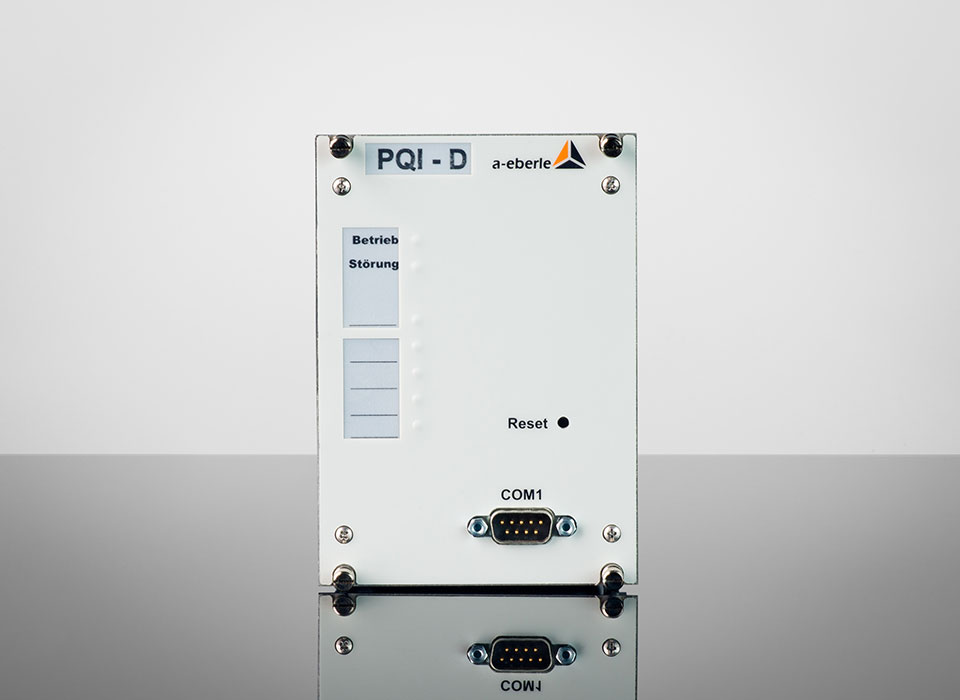
Product innovation
Product Discontinuation: Power Quality Interface (PQI-D) as of 31.12.2026
27. March 2025
The Power Quality Interface (PQI-D) product can only be ordered up to and including 31 December 2026.[...]
Read more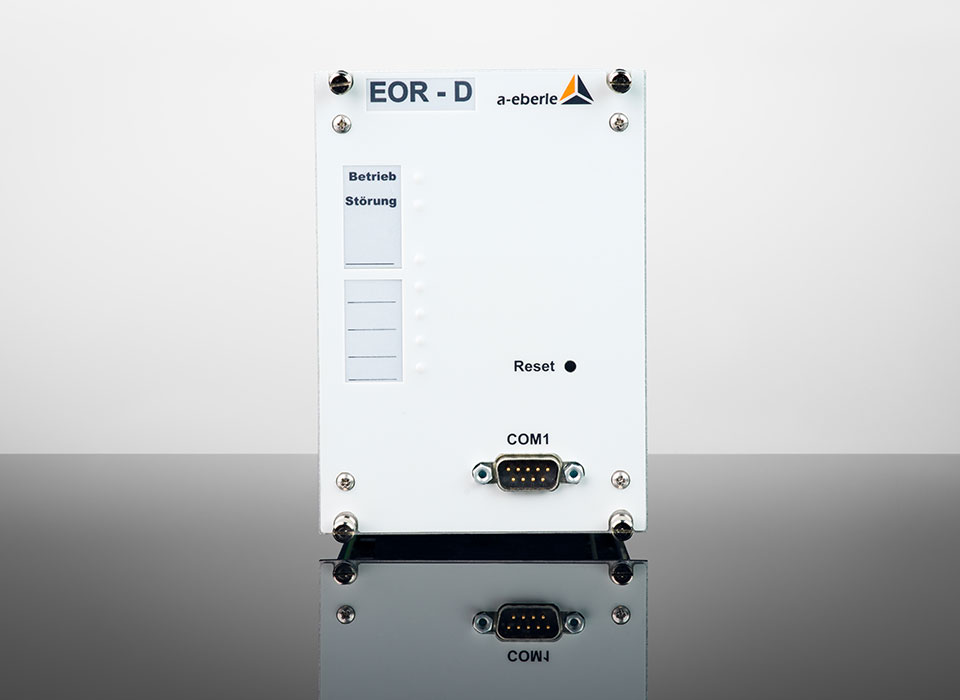
Product innovation
Product Discontinuation: Earth Fault Locating Relay (EOR-D) as of 31.12.2026
27. March 2025
The product earth fault locating relay for multiple outgoing circuits (EOR-D) can only be ordered up to and including December 31st, 2026.[...]
Read more
Webinar
»EORSys« Webinar: Digital Secondary Substations in the Distribution Grid of the Future
16. September 2024
Webinar recording from 2024-05-07: »EORSys - Digital Secondary Substations in the Distribution Grid of the Future«. [...]
Read more
Blogpost
International Partner Week 2024 - a Look Back
29. August 2024
Our International Partner Week 2024 - many old friends and new faces were our guests, it was a pleasure.[...]
Read more